Wasps · 3 min read
Wasp Nest Removal in Bury: When to Treat It and When to Leave It
A busy wasp nest on your property is not always an emergency. Learn how to judge the risk, what to avoid and how wasp nest removal in Bury works.
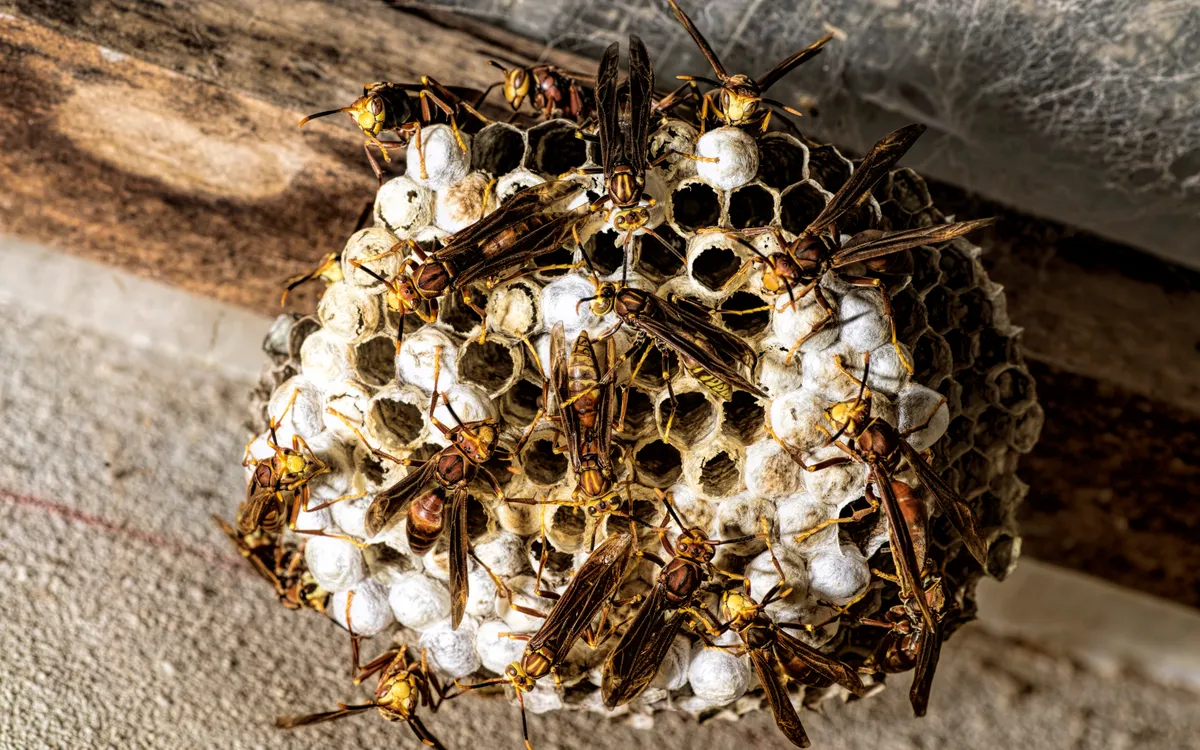
Finding wasps streaming in and out of the same small gap is the classic sign of a nest. Many Bury homeowners panic at that point, but a calm, step-by-step approach keeps everyone safer and often saves money. This guide covers how to judge the situation, which mistakes make things worse and what a professional treatment looks like.
Step one: keep your distance
A nest is defended by hundreds or even thousands of insects, and they react to vibration, noise and heat. Poking at the entrance, hosing it or sealing the hole can turn a quiet colony into an aggressive one. Watch from a window instead. Shut doors and windows nearest the nest, bring pets inside and tell the rest of the household to stay clear.
Common places nests turn up around Bury
- Lofts and roof voids, usually entered through a gap at the eaves
- Soffits, fascias and the tops of external walls
- Garden sheds, garages and outbuildings
- Air bricks, cavity walls and gaps in damaged pointing
- Disused burrows in lawns and flower beds
Check that you are dealing with wasps
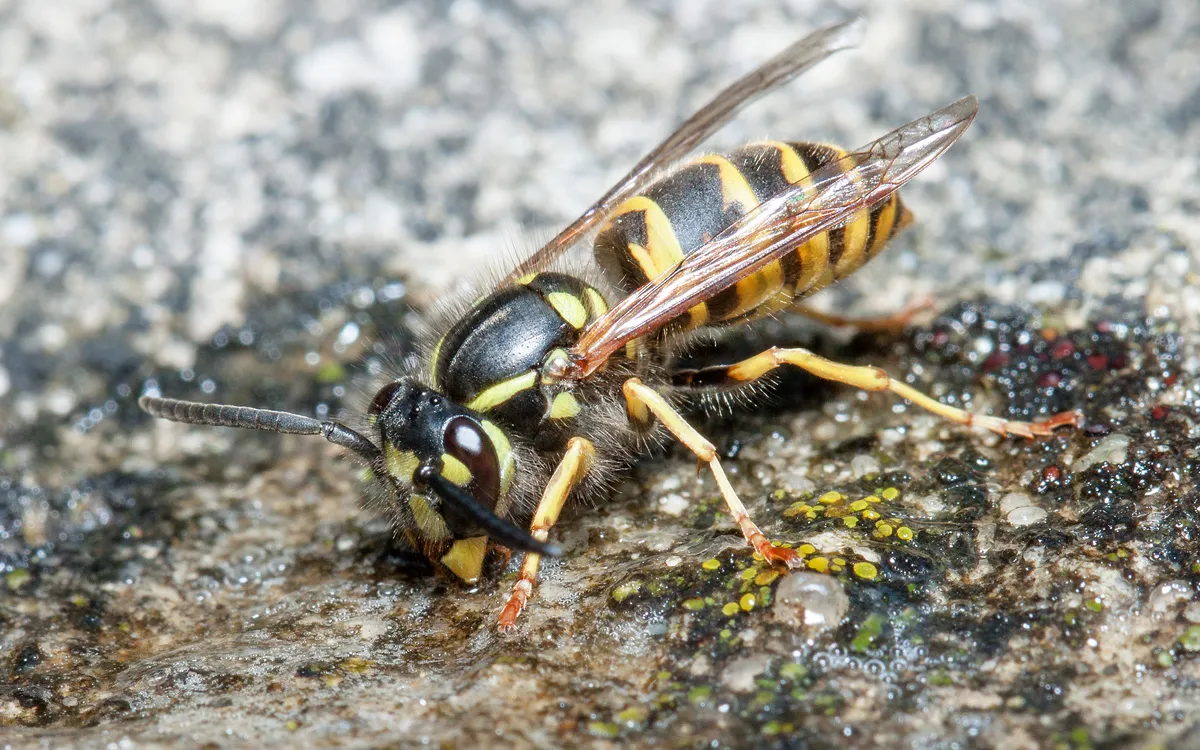
Wasps have smooth, narrow bodies with sharp yellow and black markings. They build papery grey nests from chewed wood. Bees look chunkier and fuzzier, and honey bees in particular are protected by good sense and by local beekeeping groups, so they should be relocated, not destroyed. If you are unsure, send us a photo taken from a safe spot and we will tell you what it is, free of charge.
Should the nest be removed at all?
Not necessarily. Each colony only survives for a single season. Once the cold sets in, the workers die and the nest is never reused. A nest high in a tree away from people can sometimes be left to run its course. The case for treatment is stronger when the nest sits near a doorway, in a loft above bedrooms, close to a play area or beside a seating area. It is also worth acting if anyone in the family has a known allergy to stings.
Why do-it-yourself treatment often backfires
- By late summer a single nest can hold several thousand wasps
- Working from a ladder while under attack leads to falls
- Spray cans from the shop knock down a few insects and enrage the rest
- Plugging the entrance can drive wasps through plasterboard into living rooms
What a professional visit involves
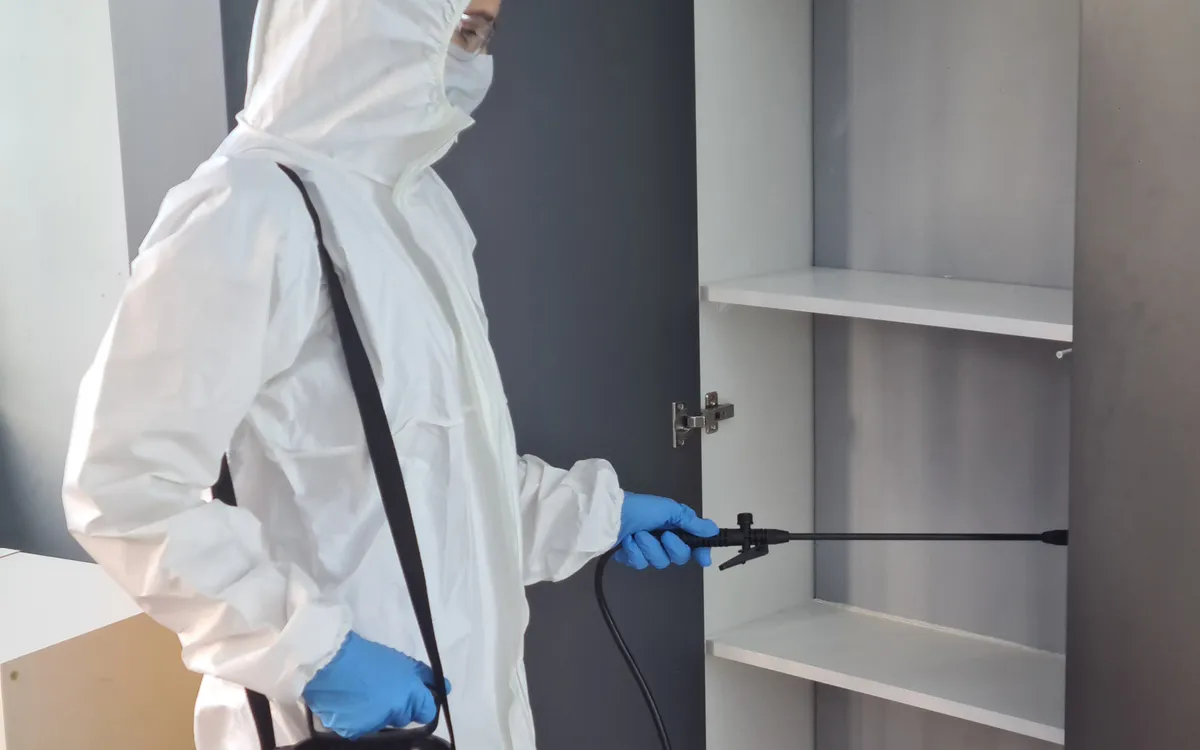
A trained technician starts by locating the nest and checking how best to reach it. Dressed in protective gear, they place a professional-grade product at the entrance or straight into the nest. Most colonies stop being active within a day or two. You will be told what to expect afterwards, including why a few stragglers may keep returning to the old site for a while. Our wasp nest removal service is available across Bury every day of the week.
If someone gets stung
- Walk away steadily and do not swat at the insects
- Clean the area with soap and water, then apply a cold pack
- An antihistamine tablet or hydrocortisone cream can ease swelling and itching
- Call 999 straight away if there is swelling in the face or throat, wheezing, dizziness or trouble breathing
Not sure whether your nest needs attention? Describe what you can see and we will give you a straight answer before you commit to anything.