Bed Bugs · 2 min read
Bed Bug Life Cycle: How They Develop and Travel Between Homes
From egg to breeding adult takes about five to six weeks, and bed bugs travel in luggage, clothes and second-hand furniture. Here is how to avoid them.
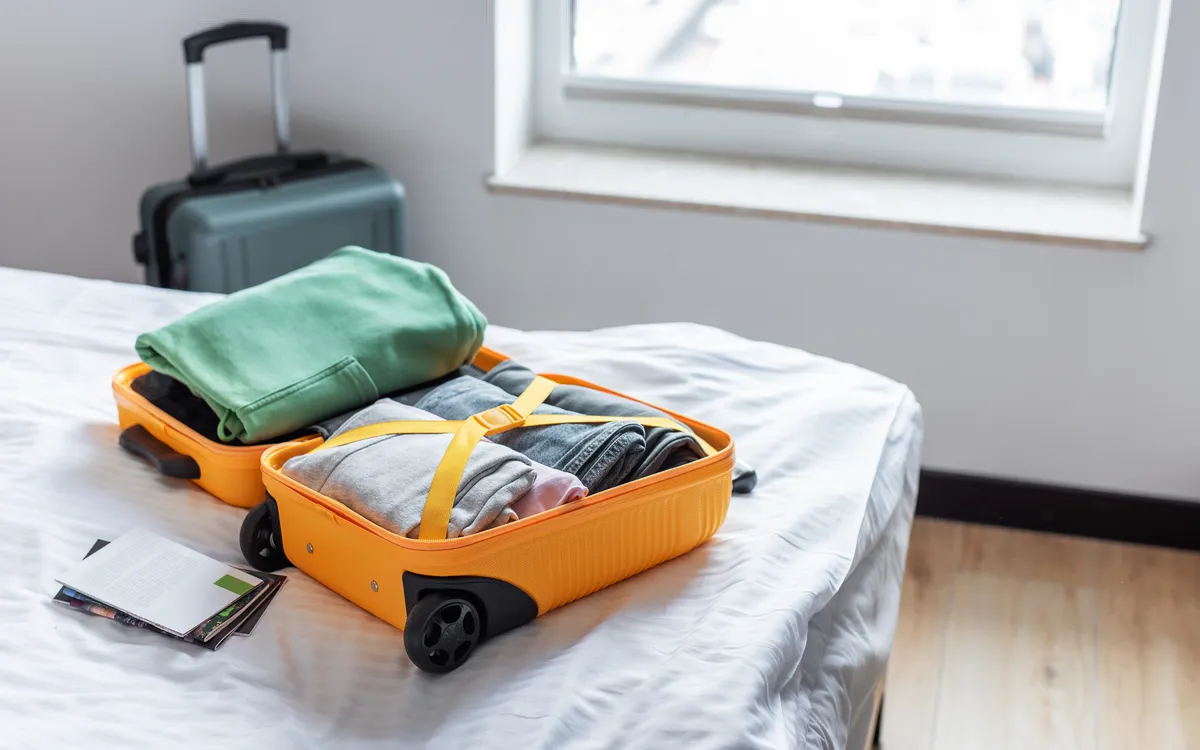
Knowing how bed bugs grow and move makes it far easier to stop them. These insects are poor flyers and cannot jump, yet they still manage to cross towns and countries. They do it by hitching a ride on the things we carry.
The five growth stages
A bed bug starts life as a tiny pearl-white egg, about a millimetre long, glued into a crack or seam. Each egg hatches into a nymph. The nymph goes through five stages, and it needs a blood meal before moving on to the next. After the fifth moult it is a mature adult that can breed. In a warm room the whole process takes roughly five to six weeks.
How many eggs can one female lay?
A well-fed female may lay a few eggs each day, adding up to several hundred in her lifetime. That is why one or two stowaways can turn into a full infestation within a couple of months.
How long can they survive without feeding?
Longer than most people expect. Adults can go for months between meals, particularly in cool rooms. For this reason, leaving a bedroom empty rarely cures the problem. It also explains why bugs can reappear after a holiday let or spare room has stood unused.
How they travel
- Suitcases and rucksacks that stood on infested floors or beds
- Clothing and bedding carried to and from laundrettes or other homes
- Second-hand beds, sofas and wardrobes
- Shared walls, pipes and floors in flats and terraces
- Coach seats, hostels and holiday accommodation
Simple ways to cut the risk
When staying away from home, keep luggage off the bed and floor, and put it on a rack or inside the bath. Check the mattress seams and headboard with a torch before unpacking. On returning, wash clothes on a hot cycle and dry them on high heat straight away. Inspect any second-hand furniture before it comes inside.
Early signs worth knowing
- Itchy red marks in lines or clusters, often on exposed skin
- Dark specks along mattress edges
- A sweet, musty smell in a heavily affected room
If you notice any of these, follow the steps in our guide on how to get rid of bed bugs or get in touch for an inspection.